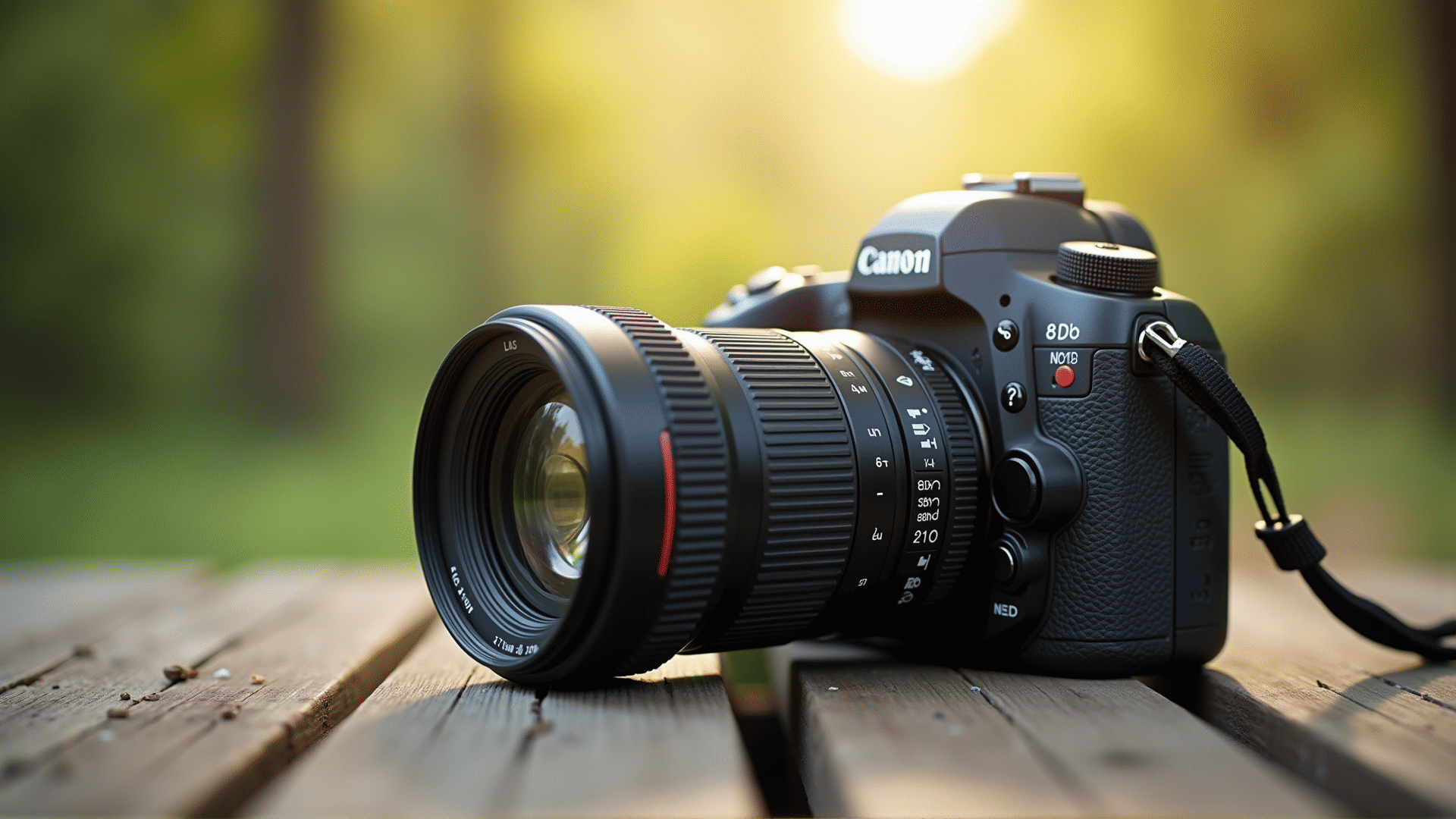
Understanding the art of capturing stunning images goes beyond simply pointing and shooting with a camera. It requires an intricate dance of balancing exposure, aperture, and ISO to suit every situation and creative vision. Mastering these settings empowers photographers to transform ordinary scenes into extraordinary moments.
Exposure: Striking the Right Balance
Exposure is pivotal in determining how light or dark an image will appear. It’s a blend of three components—shutter speed, aperture, and ISO. Each of these plays a unique role in light regulation:
- Shutter Speed: This setting controls the amount of time the camera sensor is exposed to light. Faster speeds freeze motion, ideal for dynamic scenes, while slower speeds can introduce artistic blur.
- Aperture: Measured in f-stops, aperture dictates the size of the lens opening, affecting the depth of field. A wider aperture (lower f-stop) creates a shallow focus—excellent for portraits—while a smaller aperture (higher f-stop) achieves greater depth, suitable for landscapes.
- ISO: ISO gauges the sensor’s sensitivity to light. Lower ISO values maintain image purity in bright conditions, whereas higher ISOs brighten dim settings at the expense of potential noise.
Aperture and Artistic Depth
The aperture setting influences not just exposure but also the composition's depth. It creates the aesthetic hallmark known as bokeh, where background elements blur into pleasing softness while the subject stands out crisply in focus. A masterfully chosen aperture yields captivating visuals by isolating subjects or bringing every detail into sharp relief.
- Wide Aperture (f/1.8 - f/4): Perfect for isolating a subject against a dreamy, blurred backdrop. This creates an intimate connection with the viewer, making it ideal for portraiture or close-up work.
- Narrow Aperture (f/8 - f/16): Ensures sharpness throughout the image. It’s essential for capturing landscapes where every element from foreground to background needs to be in focus.
ISO: Capturing in Varying Light
ISO settings provide the flexibility to shoot in varying lighting conditions without altering other parameters drastically:
- Low ISO (100-400): Produces the cleanest images with minimal grain, best used in well-lit environments.
- High ISO (800 and above): Beneficial in low-light situations, allowing for sufficient exposure. However, it requires careful management to avoid noise, which can affect image quality.
Combining the Trio: Practice Makes Perfect
Effectively combining these elements comes with practice and experimenting in diverse conditions. Begin by using camera modes such as aperture priority or shutter priority to focus on mastering one setting at a time. As comfort with adjustments grows, manual mode becomes the stage for complete creative control, allowing deliberate crafting of each image's ambience.
Remember that each photographic scenario may demand different settings. For instance, capturing a moving subject in shadowy conditions could require a high ISO coupled with a fast shutter speed and a wider aperture. Conversely, a tranquil landscape bathed in daylight invites a lower ISO, slower shutter speed, and narrower aperture to maintain overall sharpness.
Conclusion
Mastering camera settings is a journey into understanding how to manipulate light and shadow, rendering scenes with creativity and precision. With practice and patience, photographers can harness the full power of their cameras to portray the world through a unique lens, creating images that resonate with viewers. Through the subtle art of balancing exposure, aperture, and ISO, capturing stunning images becomes an enjoyable and gratifying pursuit.