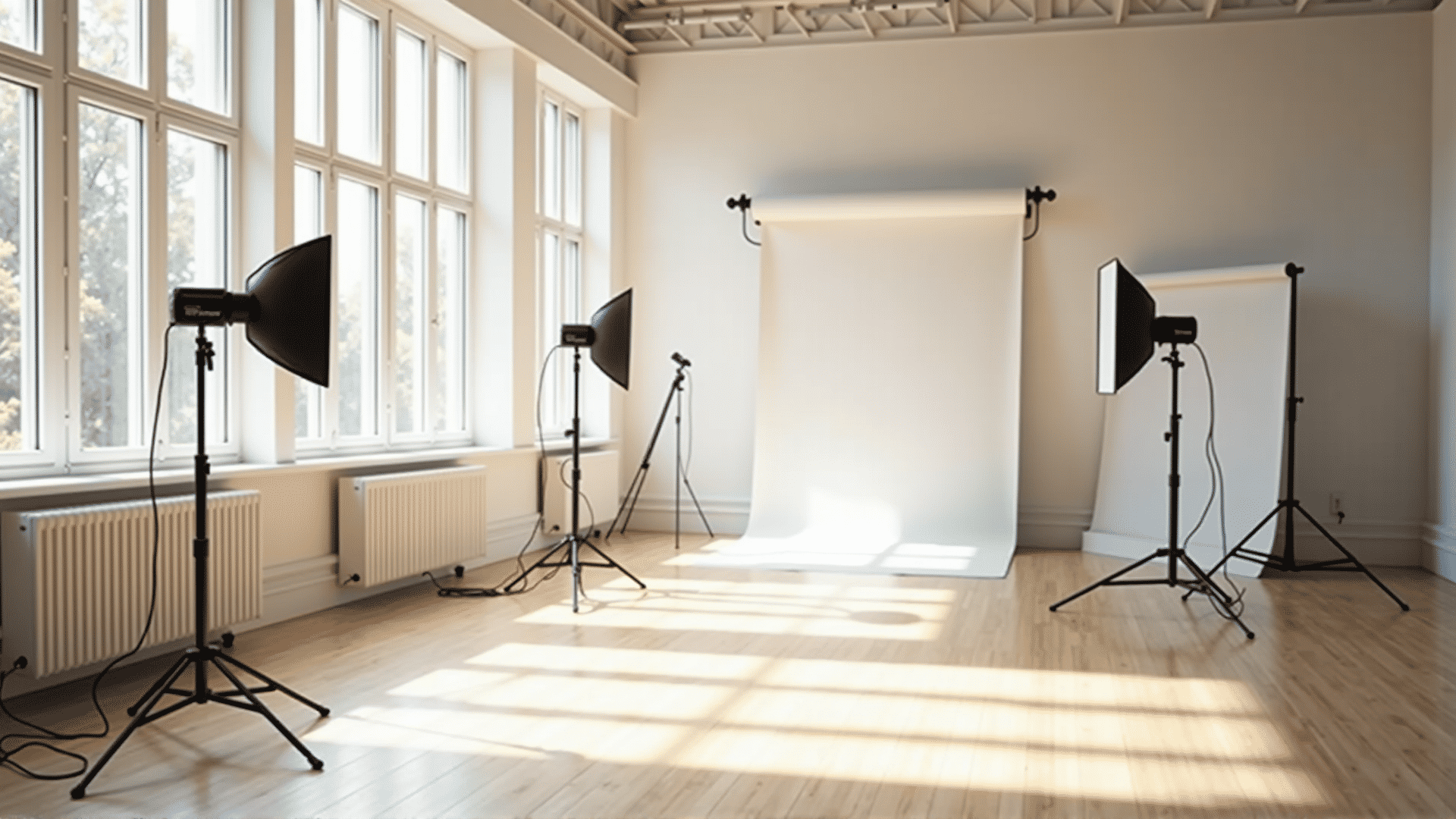
Lighting plays a pivotal role in photography, transforming a simple image into a captivating story. Understanding and mastering various lighting techniques can dramatically enhance the aesthetic and emotional impact of your photos. Let's delve into how you can effectively use both natural and artificial light to elevate your photographic creations.
Natural Light
Golden Hour: One of the most cherished times for photographers is the golden hour, which occurs shortly after sunrise or before sunset. During this time, the sun casts a warm and soft glow, creating long shadows and flattering lighting for portraits and landscapes. To harness its magic, plan your shoots to coincide with these times and experiment with different angles to capture the warm tones and dramatic shadows.
Diffused Light: Overcast days can be a photographer's ally. The clouds act as a giant diffuser, softening the sunlight and reducing harsh shadows. This condition is ideal for portraits and nature photography as it provides even lighting that brings out details without causing glare or overexposure.
Backlighting: This technique involves positioning the light source behind your subject, creating a halo effect and emphasizing outlines. This can add depth and drama, especially in portrait and silhouette shots. Adjust your exposure settings carefully to balance the brightness of the background and maintain detail in your subject.
Artificial Light
Studio Lighting: Studio lighting allows more control over the intensity and direction of light. With tools like softboxes, reflectors, and umbrellas, you can manipulate shadows and highlights to suit your creative vision. Softboxes mimic natural light by diffusing and softening it, creating a flattering effect for subjects.
Continuous Lighting vs. Flash: Continuous lighting provides a constant light source, helpful for beginners who wish to see how light interacts with the subject in real-time. Flash, or strobe lighting, offers intense bursts of light and is ideal for freezing action or achieving a specific look. Each has its pros and cons, but both are invaluable in creative photography.
Light Modifiers: Using modifiers such as reflectors and diffusers can significantly enhance your photos. Reflectors help bounce light onto your subject, filling in shadows and adding dimension. Conversely, diffusers soften the light, minimizing harshness and enhancing focus on your subject.
Combining Light Sources
One of the most effective techniques is combining both natural and artificial light. For instance, using a fill flash during the golden hour can highlight details in shadow without overpowering the natural light's softness. Similarly, adjust artificial lighting to complement ambient light in an indoor setting for a balanced composition.
Experimentation and Creativity
The beauty of lighting in photography lies in experimentation. Try different setups, adjust angles, and be creative with your light sources. Capture the same scene under varying light conditions to understand how light affects mood and tone.
Conclusion
Mastering lighting techniques can transform your photography, allowing you to convey emotion and narrative through visual storytelling. Whether harnessing the gentle touch of natural light or the precision of artificial sources, understanding and manipulating light is key to elevating your photographic skillset. Embrace the interplay of shadows and highlights, and watch as your images come to life with depth and vibrancy.