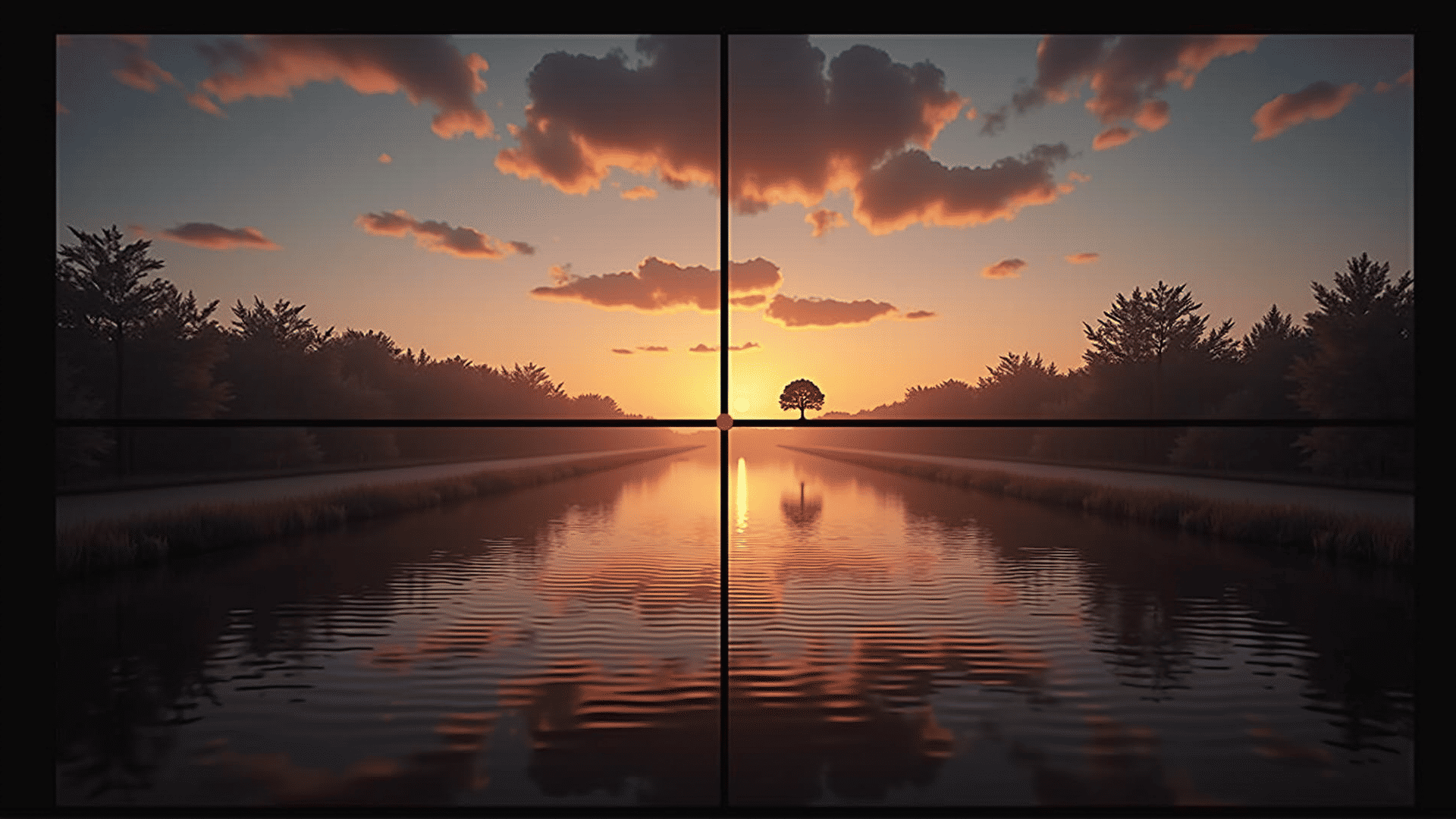
In the world of photography, composition is the artful arrangement of elements within a frame to create something visually striking and memorable. Mastering the basics of composition not only enhances one's photographs but also transforms the way they approach visual storytelling. Let’s delve into three crucial composition techniques: framing, symmetry, and the rule of thirds.
Framing
Framing is about using elements within a scene to create a 'frame' around the subject. This technique draws viewers’ eyes directly to the focal point of the image. Natural frames can be crafted from a variety of elements such as trees, archways, or windows. By incorporating a frame within your photograph, you add depth and context to the scene. For example, taking a photo of a serene landscape through an old stone arch adds layers to the image, inviting viewers to explore the story within the frame.
Symmetry
Symmetry brings a sense of harmony and balance to photographs, making them naturally pleasing to the eye. This technique can be applied through reflections, architecture, or even in the human form. A perfectly symmetrical image can evoke a feeling of stability and order. Consider capturing the reflection of a striking building in a calm body of water; the mirrored elements create a harmonious balance that captivates the viewer. Symmetry doesn't always have to be literal – even slight symmetrical hints can amplify the aesthetic appeal of an image.
The Rule of Thirds
Probably the most well-known composition rule, the rule of thirds involves dividing an image into nine equal segments with two horizontal and two vertical lines. The idea is to position the most critical elements along these lines or at their intersections. This technique helps to create more dynamic and interesting compositions compared to centering the subject. For instance, when photographing a sunset, placing the horizon along the top or bottom third of the frame rather than in the center can drastically enhance the image’s balance and flow.
Incorporating these techniques into your photography practice can dramatically elevate your work. Each method offers a unique way to guide the viewer's attention and convey a deeper narrative within the image. Whether you find yourself drawn to the natural constraints of framing, the ordered elegance of symmetry, or the balanced aesthetics of the rule of thirds, these composition techniques provide a framework – quite literally – for creating compelling and visually appealing photos.